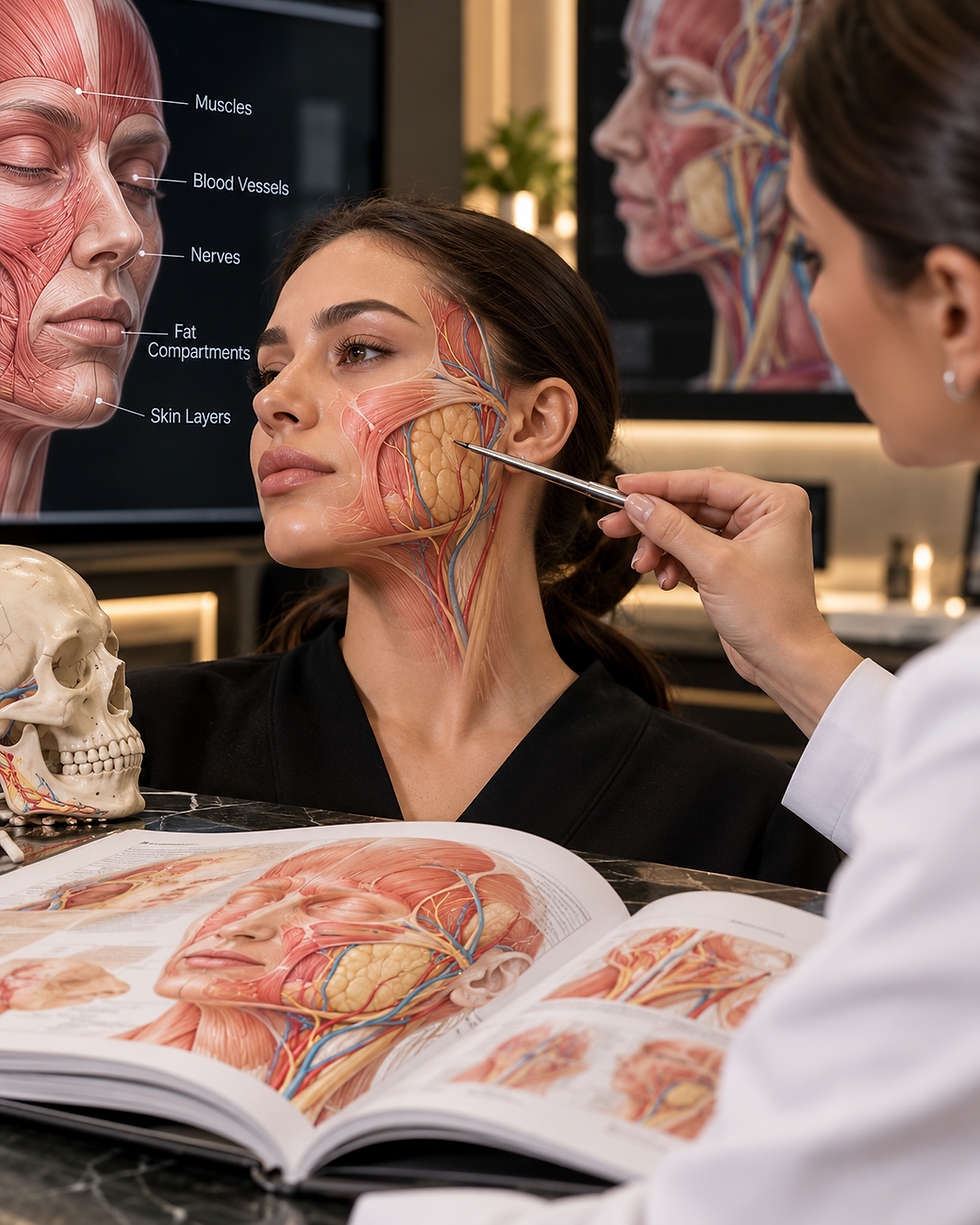
Microneedling Training for Beginners: Depth and Safety


Microneedling training in London offers healthcare professionals the opportunity to enhance their aesthetic skills. This guide covers essential aspects such as needle depth, treatment protocols, and contraindications to ensure safe and effective treatment delivery. Aspiring aesthetic practitioners will gain insights into best practices for achieving optimal results and patient satisfaction.
What is Microneedling and How Does it Work?
Microneedling, also known as collagen induction therapy, is a minimally invasive cosmetic procedure designed to rejuvenate the skin. By using a device equipped with fine needles, microneedling creates controlled micro-injuries on the skin's surface. This process stimulates the body's natural wound healing mechanism, promoting the production of new collagen and elastin. For practitioners looking to expand their techniques in aesthetic medicine, understanding microneedling is crucial, especially in a diverse and dynamic market like London.
The primary aesthetic benefits of microneedling include improving skin texture and firmness, reducing the appearance of fine lines, and diminishing scars and stretch marks. It is particularly valued for its ability to deliver these results with minimal downtime for patients. As such, microneedling training is becoming increasingly sought after in the UK's aesthetic circles. Practitioners in their training will learn to tailor needle depth and techniques to suit individual patient needs, enhancing the overall aesthetic outcome.
Microneedling has gained a significant place in aesthetic practice due to its versatility and effectiveness. Trained professionals can adeptly use this method to cater to a wide range of skin tones and concerns. Effective microneedling training ensures practitioners are well-versed in treatment protocols and can confidently address patient care while mitigating risks. In a vibrant and competitive city like London, offering microneedling services can elevate a practice's profile and meet the growing patient demand for non-surgical skin improvement solutions.
Understanding Needle Depth in Microneedling
In microneedling training, comprehending needle depth is crucial as it directly influences treatment outcomes and patient safety. This factor determines how the skin responds and heals post-procedure. Selecting the appropriate depth can enhance results while minimizing risks.
Different depths cater to varying skin concerns. For superficial issues like fine lines and pigmentation, a depth of 0.5mm may suffice. This minimal penetration stimulates epidermal repair without involving deeper layers. Conversely, for deeper acne scars or stretch marks, a range of 1.5mm to 2.5mm could be necessary. These depths target the dermis, encouraging collagen production and structural repair.
Nevertheless, practitioners must consider the skin's thickness at different body sites. Facial skin generally requires less depth compared to tougher areas like the back or thighs. Knowledge of these variations is critical when delivering microneedling training in London clinics like BBAIM, ensuring bespoke treatment protocols and improved client satisfaction.
Patient safety hinges on appropriate needle depths. Excessive depths or incorrect adjustments can lead to complications such as prolonged erythema, hyperpigmentation, or infection. Trained professionals must accurately assess the client’s skin condition and history. This prevents unintended damage and optimizes the therapeutic benefits of microneedling.
By mastering depth variations, practitioners not only achieve more consistent and effective results but also uphold the highest standards of care. Such expertise is indispensable in aesthetic practices across London, where clients expect personalised, high-calibre services. Structured microneedling training is indispensable for fostering competent practitioners in the field.
Microneedling Treatment Protocols
Microneedling treatment protocols in London encompass a structured approach to delivering optimal results while ensuring patient safety. Before beginning any session, comprehensive preparation is essential. This includes a thorough assessment of the patient's skin type and concerns to tailor the procedure accordingly. Standard protocols start with cleansing the skin to remove any dirt or cosmetics, ensuring a sterile environment. A topical anaesthetic may be applied to minimize discomfort, especially when deeper needle depths are anticipated.
The microneedling procedure itself involves the use of a device fitted with fine needles, which puncture the skin at controlled depths. For beginners in microneedling training, understanding the appropriate needle depth is critical. Typically, depth varies between 0.25mm to 2.5mm, with lighter depths addressing fine lines and deeper penetration stimulating collagen production for scar treatment. Adjusting the depth based on the target area and the specific skin concern is part of tailored microneedling protocols.
Post-care is a crucial component of microneedling protocols to support the skin's natural healing process. Immediate aftercare generally includes the application of soothing serums rich in hyaluronic acid to hydrate and calm the skin. Post-treatment aftercare should follow the treating practitioner's protocol and be tailored to the individual case. A personalised skincare regimen with sun protection is often recommended to enhance results and protect against post-inflammatory hyperpigmentation.
Variations in protocols also account for specific skin types and conditions. For example, those with sensitive skin may require shorter sessions or reduced needle depths to prevent excessive irritation. Conversely, individuals with acne scarring might benefit from more intensive treatments. Tailoring the approach as per individual needs highlights the importance of comprehensive microneedling training, ensuring practitioners deliver safe and effective aesthetic solutions within a medical framework in London's thriving aesthetic landscape.
Contraindications for Microneedling
In microneedling training, understanding contraindications is essential to ensure patient safety and treatment efficacy. Practitioners in London and beyond must assess each patient thoroughly to identify any relevant medical history or conditions. Considerations include the presence of active skin infections, open wounds, or any inflammatory skin conditions such as eczema or psoriasis. Microneedling on compromised skin can exacerbate these conditions, posing potential risks.
Patients with a history of keloid scarring or abnormal wound healing should be carefully evaluated. The procedure involves controlled injury to the skin, which might not heal optimally in these situations. Other contraindications include recent treatment with isotretinoin or the use of anticoagulants, as these can affect healing responses and increase the risk of bleeding. It is crucial that practitioners are well-versed in these factors during their needle training.
Active acne, rosacea, or other inflammatory conditions
Skin infections such as herpes simplex virus
Pregnancy or breastfeeding
Recent sunburn or skin injury
Severe cardiovascular conditions or uncontrolled diabetes
Providing comprehensive microneedling training ensures that practitioners in London can competently evaluate these contraindications, preparing them to deliver safe and effective treatments.
Why Choose Microneedling Training in London?
London is renowned for its vibrant medical and aesthetic community. Choosing microneedling training in London gives you the exceptional opportunity to learn from some of the most experienced trainers in the field. With a plethora of skilled practitioners based in the city, you can access a wealth of knowledge and expertise that can significantly enhance your practice.
Training should be checked against current guidance, as regulation in aesthetics continues to evolve. The curriculum is meticulously crafted and regularly updated, taking into consideration advancements in technology and technique, which greatly benefit those seeking to establish a safe and effective treatment protocol.
Moreover, microneedling training in London may suit different backgrounds, depending on the course and the provider's entry requirements. This enables participants to learn how to integrate microneedling into their existing practice fluently. Institutions such as BBAIM provide a structured learning experience, combining theoretical knowledge with hands-on practical sessions.
Another advantage of pursuing microneedling training in the capital is the city's global influence, making it a hub for aesthetic innovation. This environment fosters a culture of continuous learning and improvement, allowing you to network with other professionals and share insights on the latest industry trends.
Embarking on microneedling training in London also offers logistical conveniences, with numerous training centers easily accessible by public transport. This enables you to gain invaluable skills without the added stress of difficult travel arrangements.
Frequently asked questions
Is microneedling suitable for all skin types?
Suitability depends on the client's skin condition, history and clinical assessment, and contraindications must be reviewed before treatment.
How often should microneedling be done?
Treatment intervals vary and should be decided by a qualified practitioner after assessment.
What should be avoided after microneedling?
Aftercare instructions vary, so clients should follow the guidance given by their treating practitioner.
Can microneedling help with acne scars?
Microneedling may be considered for acne scarring in appropriate cases, following clinical assessment and treatment planning.
What qualifications are needed to perform microneedling in the UK?
Training pathways vary by course and background, and regulation is evolving, so readers should check current guidance and confirm eligibility with the training provider.
Ready to take the next step? Explore our courses or book a free online consultation with Dr Osh.